Staying hydrated during your workouts is super important. When you exercise, your body loses water through sweat, and you need to replenish that to keep going strong. If you're feeling thirsty, that’s a clear sign you need to drink up. Being well-hydrated helps you maintain your energy levels and focus better, which keeps you safe from injuries.
Keep a water bottle within arm's reach. Whether you're lifting weights, doing yoga, or jumping on a treadmill, having water handy will remind you to take sips regularly. Aim for about 7 to 10 ounces every 10 to 20 minutes, especially if you’re working out hard. If you're exercising for longer than an hour, consider adding an electrolyte drink to the mix.
Pay attention to your body's signals. Dizziness, headaches, or increased fatigue can all shout “I need water!” Listen to those cues. It’s not just about drinking during the workout; make a habit of hydrating before and after too. That way, you’ll keep your muscles and joints moving smoothly.
Remember to adjust your hydration based on the weather. Hot and humid days mean you’ll need to drink even more. On cooler days, it might not feel like it, but you still need to hydrate. Make it a part of your routine, and your body will thank you for it!
Choose the Right Equipment for You
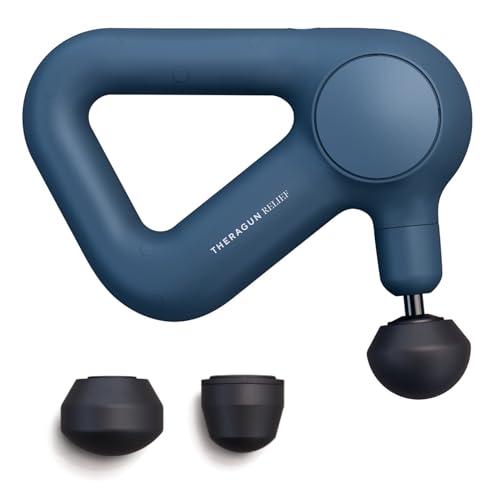
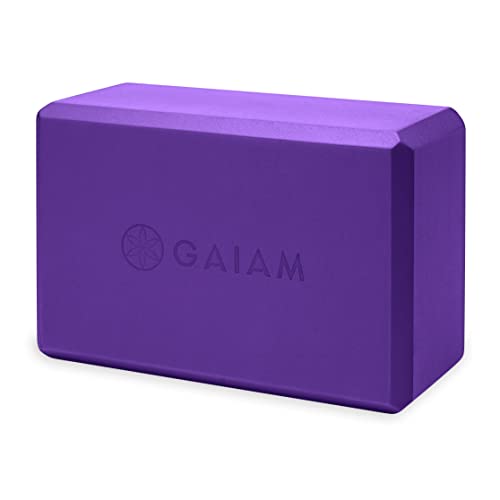
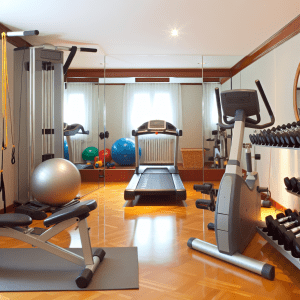
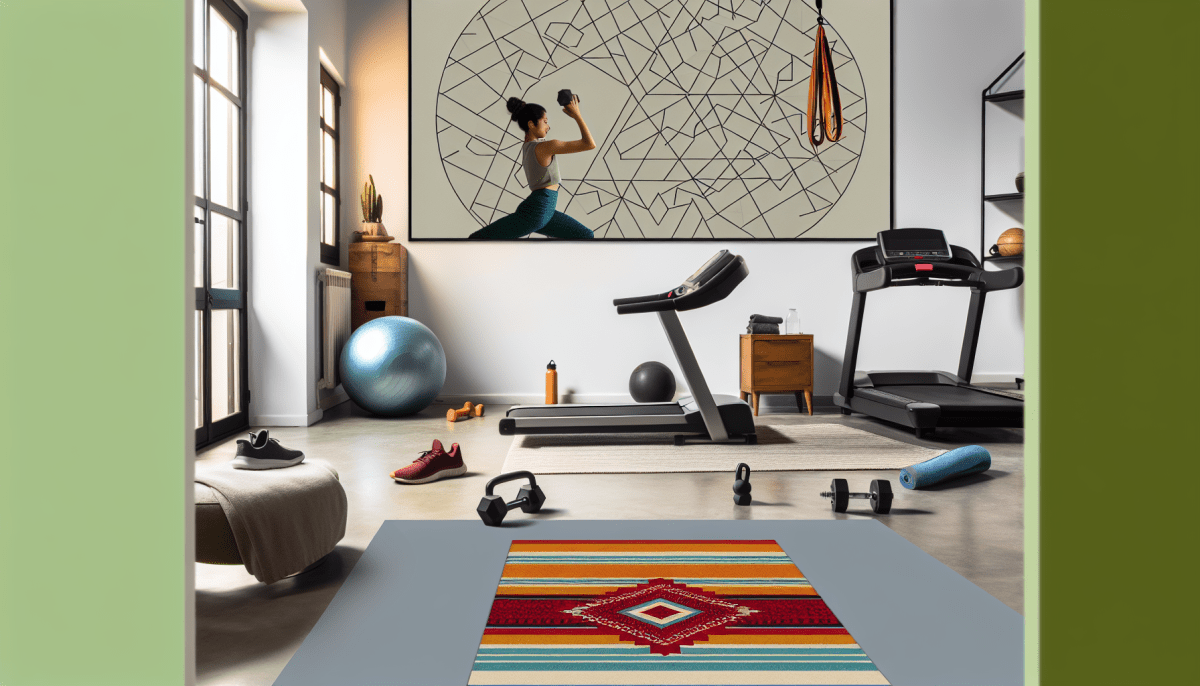
Choosing the right equipment is super important for safe workouts at home. If you’re just starting out or looking to switch things up, it’s easy to get overwhelmed with options. Picking equipment that fits your needs and space can make all the difference in staying safe and getting the most from your workouts.
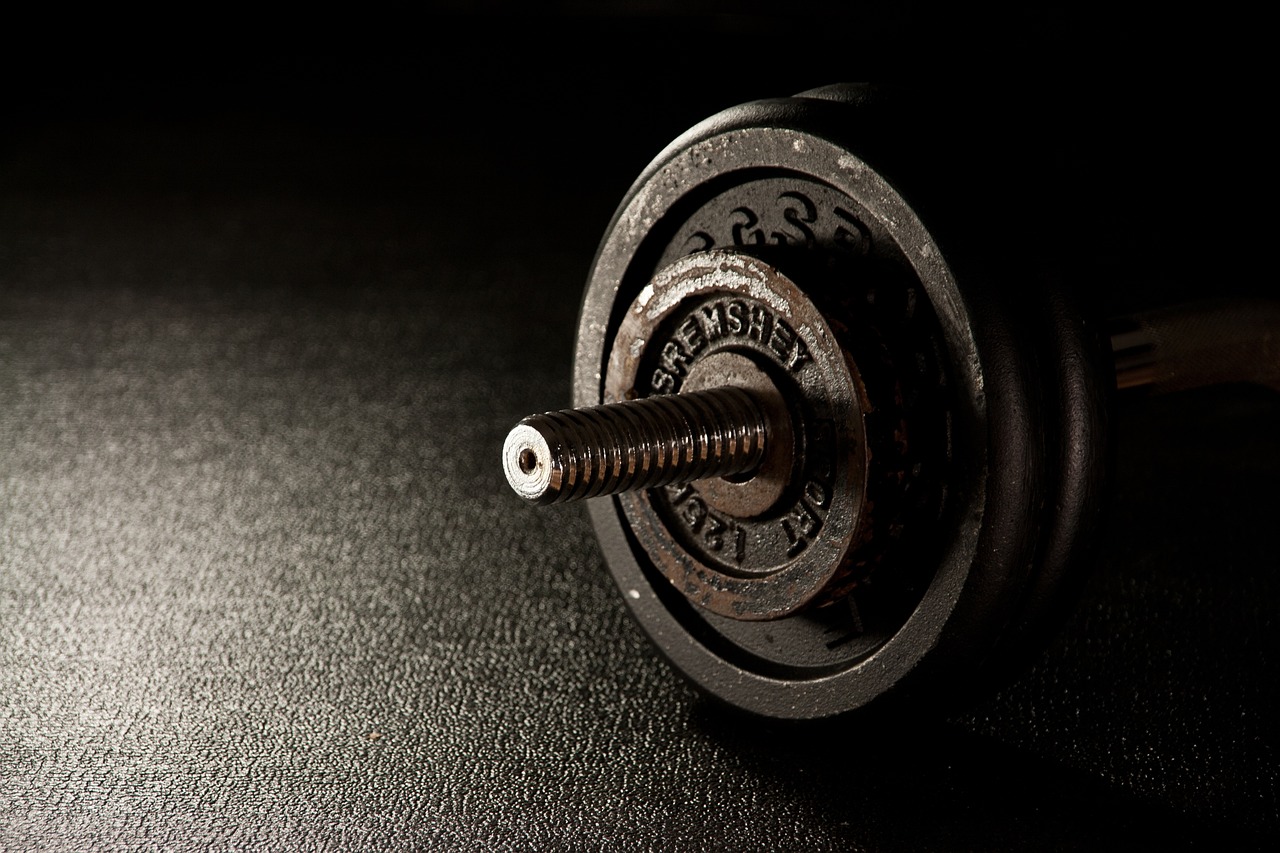
Start by thinking about your fitness goals. Do you want to build strength, improve cardio, or both? If you're into strength training, dumbbells and resistance bands are great choices. They’re versatile, easy to store, and perfect for various exercises. Cardio lovers might want a jump rope, a stationary bike, or a compact treadmill to get their heart rate up without hogging too much space.
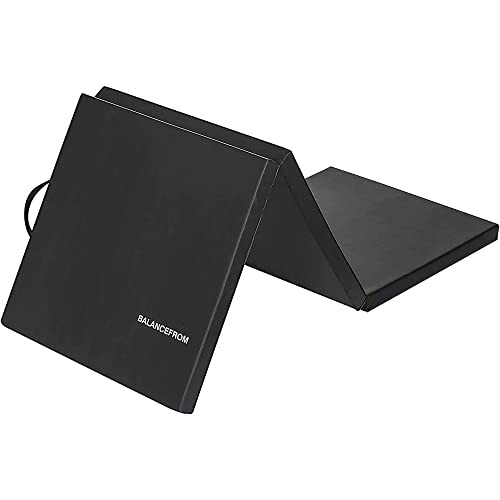
Space is another big factor. Look around your home. Do you have a corner in the living room or a small area in your bedroom? Measure it out, and stick to equipment that fits well. You don’t want to trip over your stuff or feel cramped while you work out. Folding or multi-use equipment can be lifesavers if you’re tight on room.
Finally, think about your budget. You don’t need to break the bank to get good quality gear. Check out local deals or second-hand options to find great items at lower prices. If you’re willing to spend a little more, investing in brands known for their durability can save you money down the road. Whatever you choose, make sure it feels right for you. Happy shopping and stay safe out there!
Warm Up and Cool Down Properly
When you're gearing up for a workout, warming up is like giving your body a gentle nudge. It prepares your muscles and joints for the action ahead, reducing the risk of injuries. A solid warm-up doesn’t have to be complicated. Just spend about 5 to 10 minutes doing dynamic movements like arm circles, leg swings, or gentle jogging in place. Think of it as getting your body ready for the main event!
Don't skip on stretching as part of your warm-up. Focus on dynamic stretches that move your body through its range of motion. Try walking lunges and high knees to get blood flowing and increase flexibility. Remember, the goal here is to wake up your muscles and get your heart rate up, so make it feel good!
Cooling down is just as important as warming up. After your workout, give yourself a few minutes to gradually lower your heart rate. Take some time to walk it out or keep moving slowly for about 5 to 10 minutes. This helps your body transition back to a resting state and reduces muscle soreness afterward.
Don’t forget to stretch again during your cool down. Focus on static stretches that hold a position for 15 to 30 seconds. Target the major muscle groups you worked during your session. This is your chance to promote flexibility and ease any tension built up from your workout.
Know Your Limits for Safe Training
Staying safe while working out at home is super important, and understanding your limits is a big part of that. Knowing what your body can handle helps you avoid injuries and keeps your workouts effective. So, let’s chat about how to listen to your body during those sweat sessions.
First off, always pay attention to how you feel. If something hurts, or you feel unusually fatigued, it’s okay to take a step back. Don’t push through pain thinking you’re being tough. It’s better to modify your routine or take a break than risk a serious injury. This means you might need to swap out a heavy weight for something lighter or drop a few reps when you’re not feeling your best.
Also, make sure to warm up before diving into your workout. This helps your muscles get ready for the action. A simple 5 to 10-minute warm-up, like jumping jacks or dynamic stretches, can really make a difference. It gets your blood flowing and reduces the chance of strains.
Don’t forget about recovery, either. Your muscles need time to heal after a workout, so listen to them. If you’ve hit a tough session, give yourself a day or two to rest. Foam rolling or light stretching on off days can help keep you feeling good without overdoing it.
Finally, setting realistic goals matters. If you're new to fitness, don’t aim for the same level as someone who’s been working out for years. Take it slow, celebrate small wins, and progress at a pace that feels right for you. Remember, consistency is key for long-term gains without the setbacks of injury.